2026-darmstadt
Net-Zero Future 2026 Conference, Darmstadt
3rd International Conference on Net-Zero Built Environment: Innovations in Materials, Structures, and Management Practices
30 Sep – 2 Oct 2026
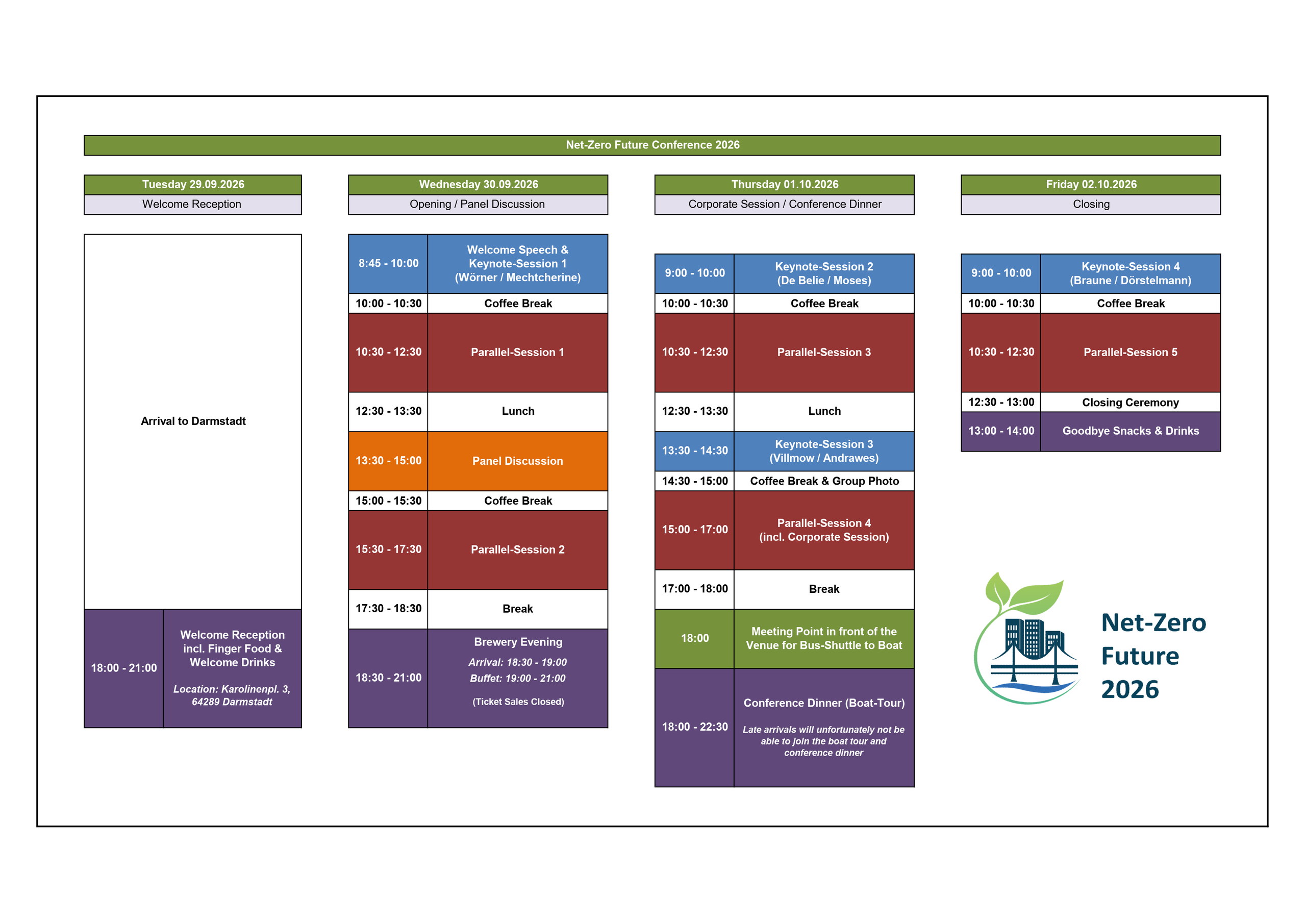
Conference Flyer


The Net-Zero Future conference series rotates its location annually, providing a global perspective and highlighting regional innovations and challenges. By holding the 2026 edition in Darmstadt, the conference will spotlight Europe’s unique contributions to the global net-zero movement while also providing a platform to discuss the continent’s specific sustainability challenges and opportunities.
Join us in Darmstadt for an inspiring and transformative event where we will work together to accelerate the transition towards a net-zero carbon future, shaping a sustainable built environment for future generations.
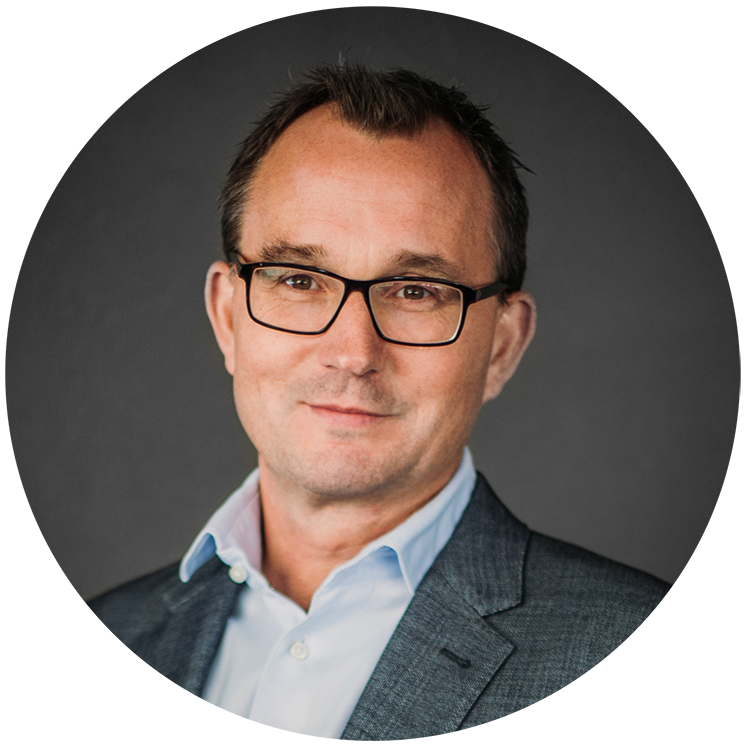
Chairs of the Net-Zero Future 2026

Technical University Darmstadt, Germany
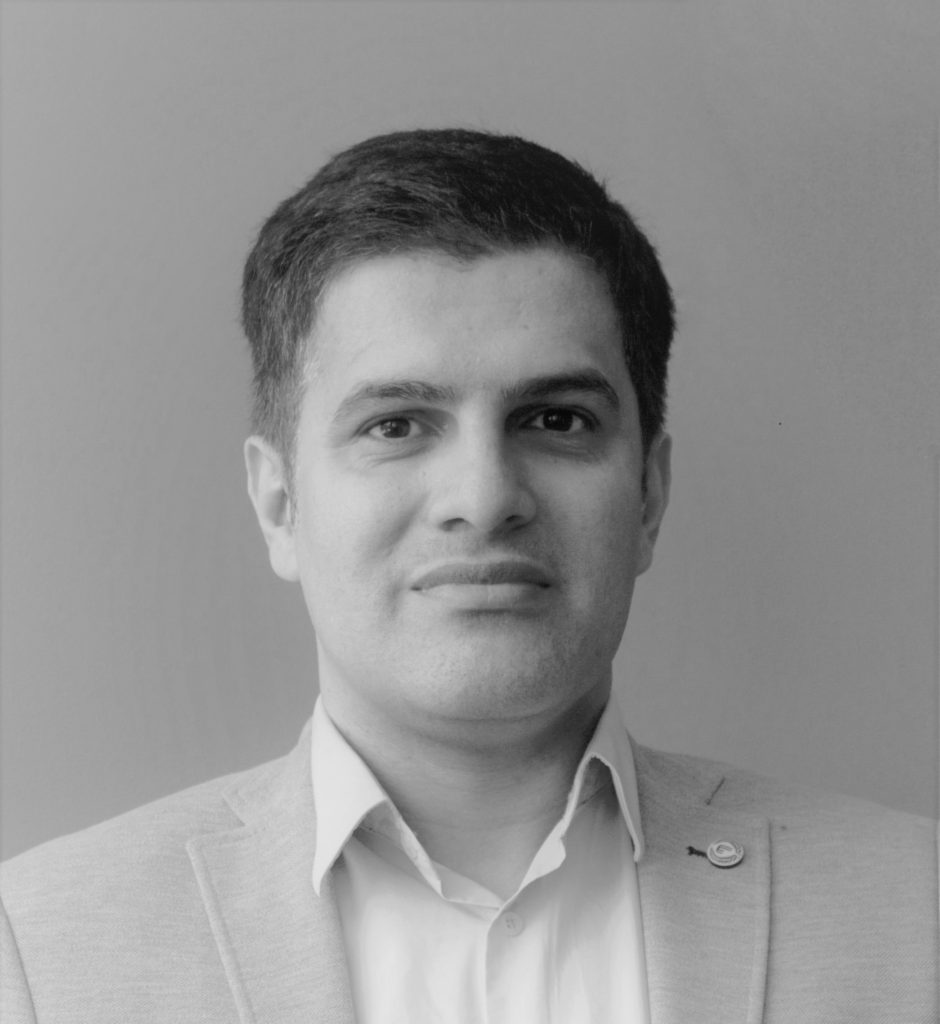
Oslo Metropolitan University, Norway
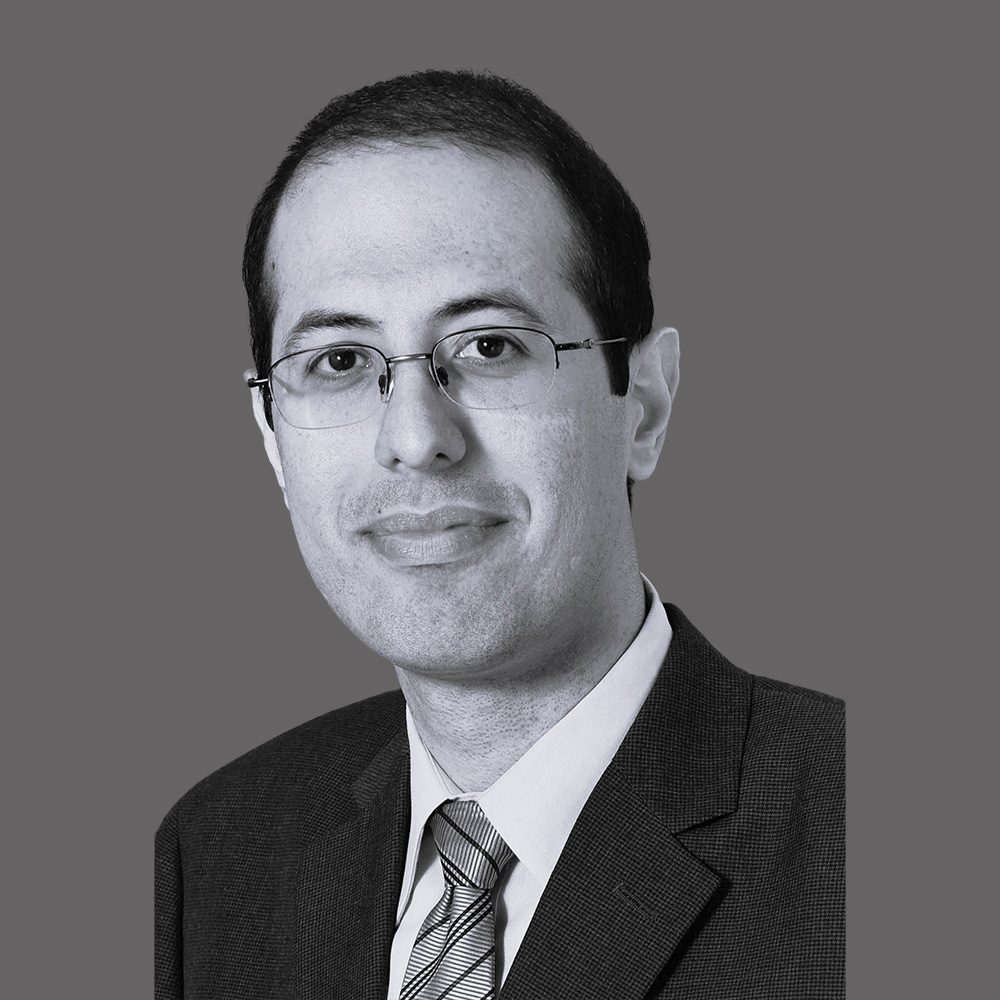
Iowa State University, The USA
Important Dates
| Abstract Submission Opens | 15 November 2025 |
| Early Bird Registration | 1 January – 31 March 2026 |
| Regular Registration Period | 1 April – 31 August 2026 |
| Late Registration Period | 1 September – 29 September 2026 |
| Full Paper Submission Period | 1 February – 1 June 2026 |
Commitees
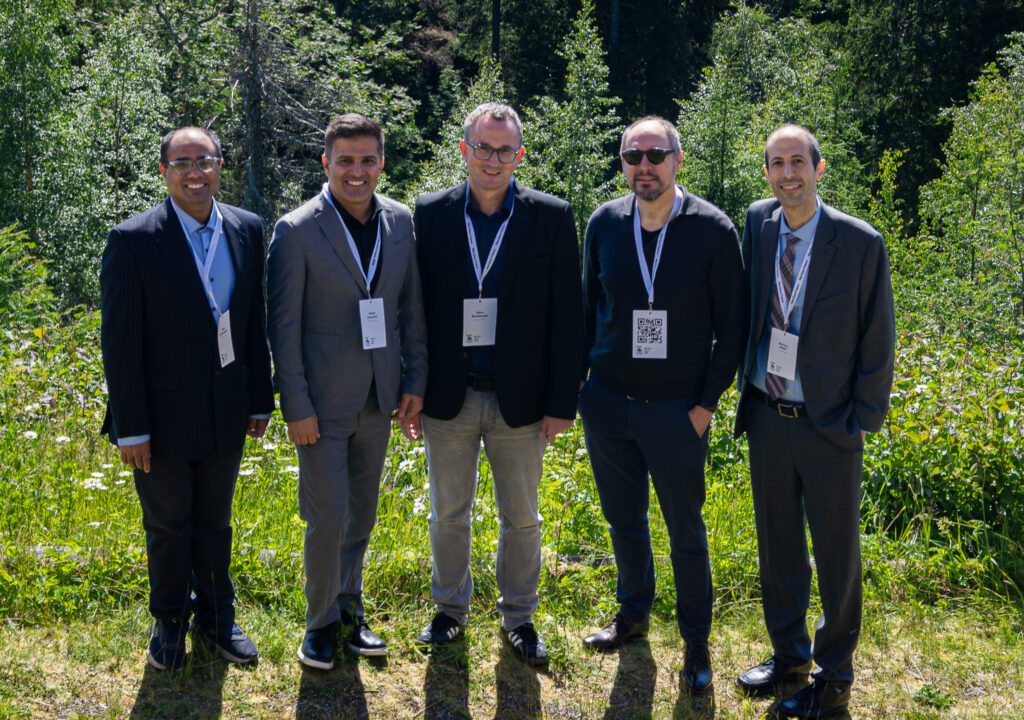
Committees
Conference Chair
Technical University of Darmstadt, Germany
Oslo Metropolitan University, Norway
Iowa State University, The USA
Organizing Committee
Behrouz Shafei, The USA
Hans Beushausen, South Africa
Samitt Ray Chaudhari, India
International Scientific Committee
Ali Zaoui, France
Alisa Machner, Germany
Anya Vollpracht, Germany
Behrouz Shafei, The USA
Bernhard Middendorf, Germany
Branko Šavija, Netherlands
Carl Haas, Canada
Claudiane Ouellet, Canada
Dimitrios Angelis, Belgium
Dimitrios Vamvatsikos, Greece
Enrique Montes, Spain
Enzo Martinelli, Italy
Frank Dehn, Germany
Gaurav Sant, The USA
Guang Ye, Netherlands
Hans Beushausen, South Africa
Henk Jonkers, Netherlands
Jan Arve Øverli, Norway
Jiaolong Zhang, China
Kim Hung Mo, Malaysia
Liberato Ferrara, Italy
Ling Tung Chai, China
Luciano Sambataro, Germany
Mahdi Kioumarsi, Norway
Manu Santhanam, India
Marc Otelle, Netherlands
Mark Alexander, South Africa
Max Hendriks, Netherlands
Nadja Bishara, Germany
Paula Folino, Argentina
Romildo Toledo Filho, Brazil
Sylvia Keßler, Germany
Tamon Ueda, Japan
Terje Kanstad, Norway
Thomas Matschei, Germany
Tor Arne Martius-Hammer, Norway
Vagelis Plevris, Qatar
Viktor Mechtcherine, Germany
Weizhuo Shi, China
Wolfram Schmidt, Germany
Local Committee – Technical University of Darmstadt
Mr. Maximilian Mayer
Ms. Liliya Dubyey
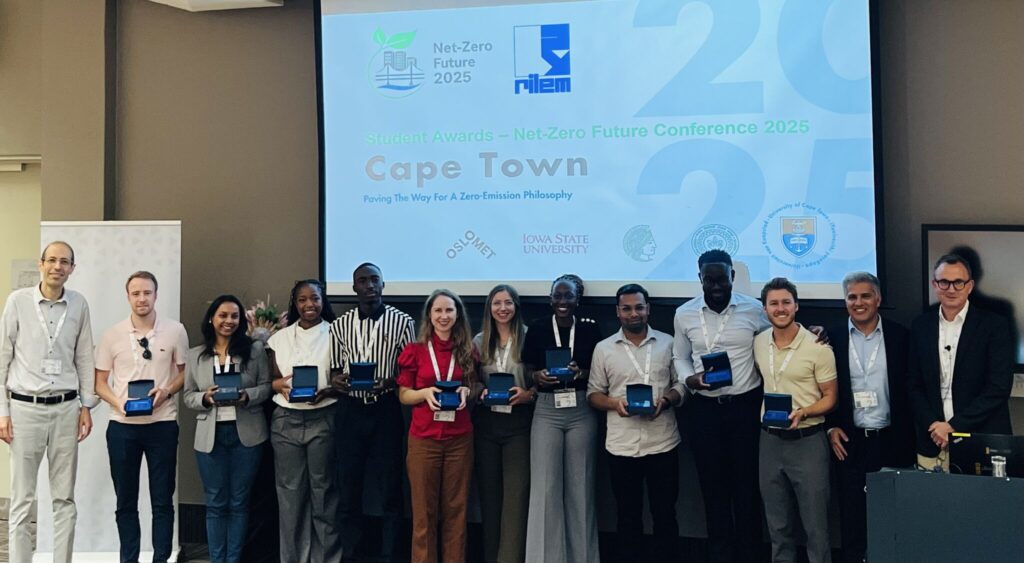
Conference Awards

Students and Industry Projects Awards 2026
Student Awards
The Net-Zero Future 2026 Conference is delighted to unveil a series of awards dedicated to Exceptional Student
Presentations and Papers, details of which will be provided at a later stage.
– Student Presentation Awards: For up to 5 best student presentations
– Student Paper Awards: For up to 5 best papers presented by students
Industry Projects Awards
The Industry Project Award will recognize the most innovative and impactful project presented by industry participants at the Net-Zero Future 2026 Conference. This award highlights excellence in applying research, technology, or best practices to real-world challenges in achieving a net-zero built environment.
The winning project will be selected during the conference based on its originality, practical relevance, and potential contribution to sustainability and carbon reduction in the construction and infrastructure sectors.
In addition to the above awards, the Net-Zero Conference will also offer Graduate Student Support: a full registration fee waiver for up to 10 PhD students who submit high-quality papers.
To be considered for the waiver, eligible students should send a request via our Contact page.
Proceedings

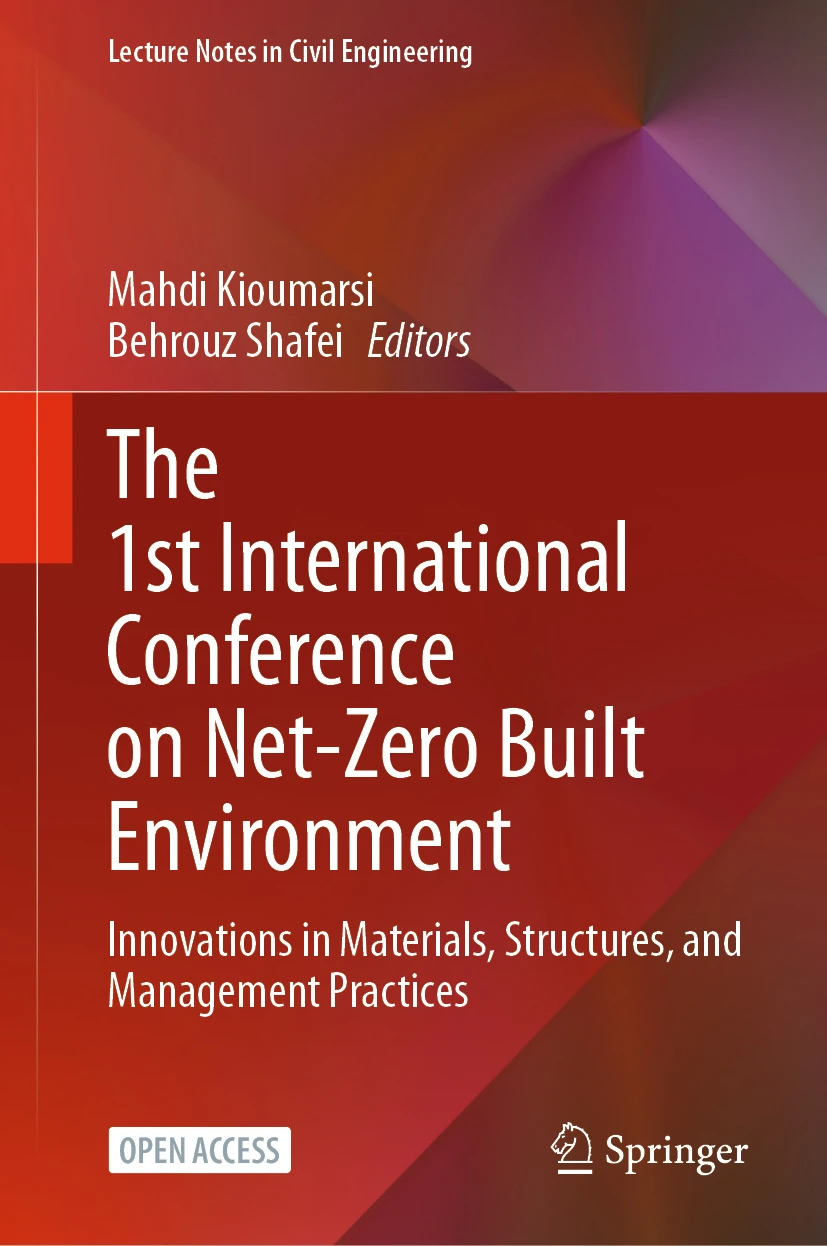
Conference 2026 Proceedings
Lecture Notes in Civil Engineering
Scopus and Web of Science Indexing
Open Access
Individual DOI
Conference Venue
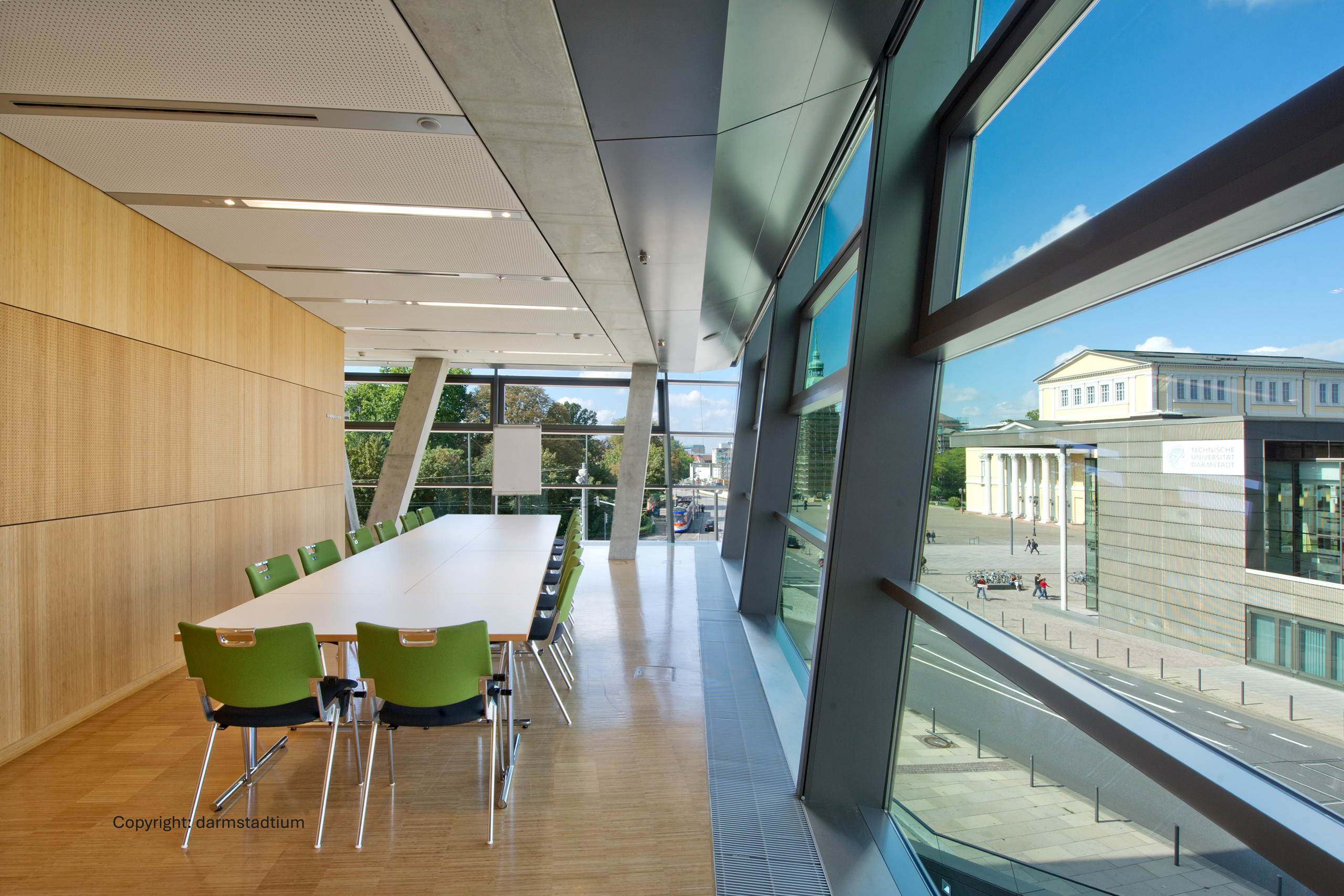
Conference Venue
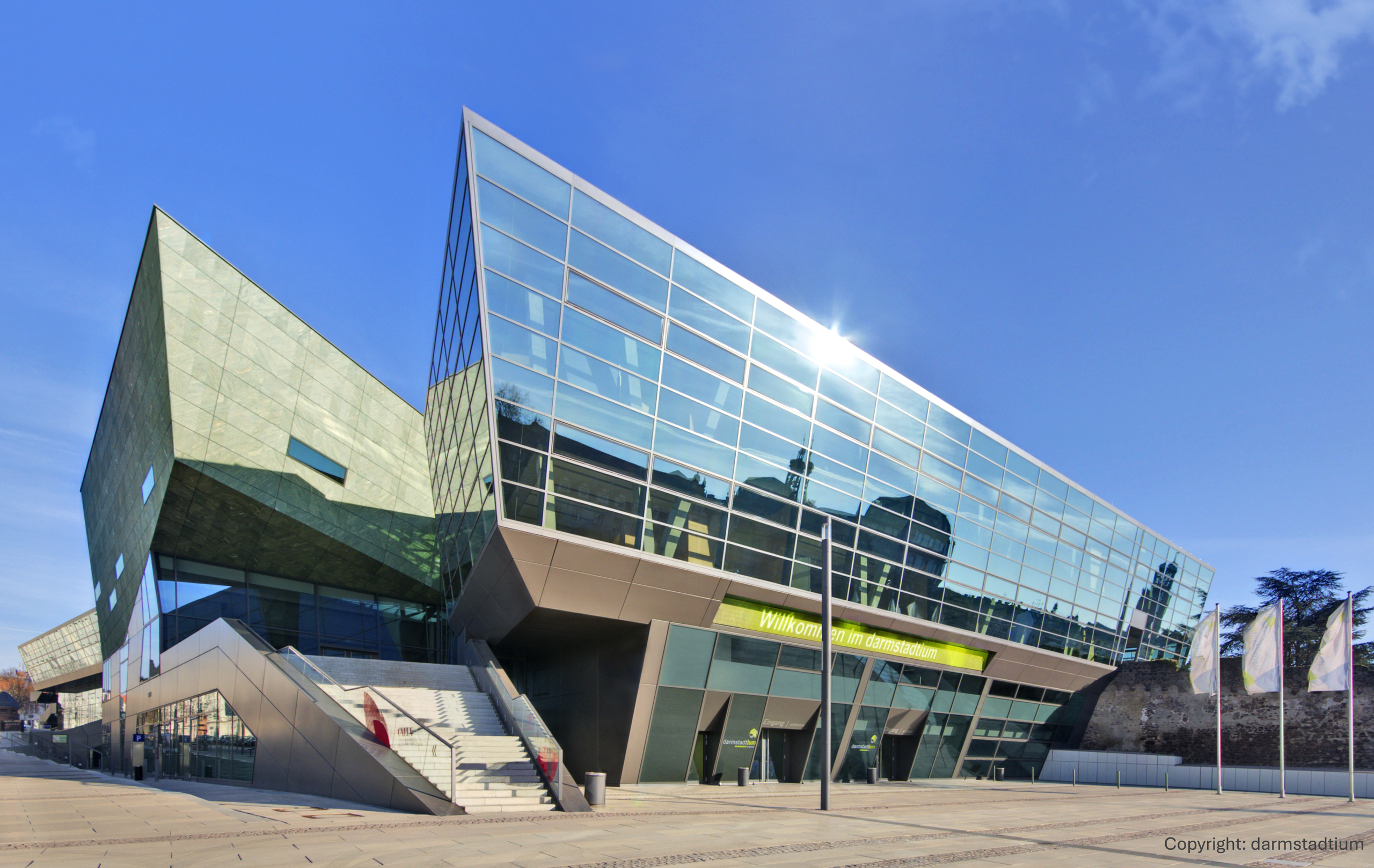
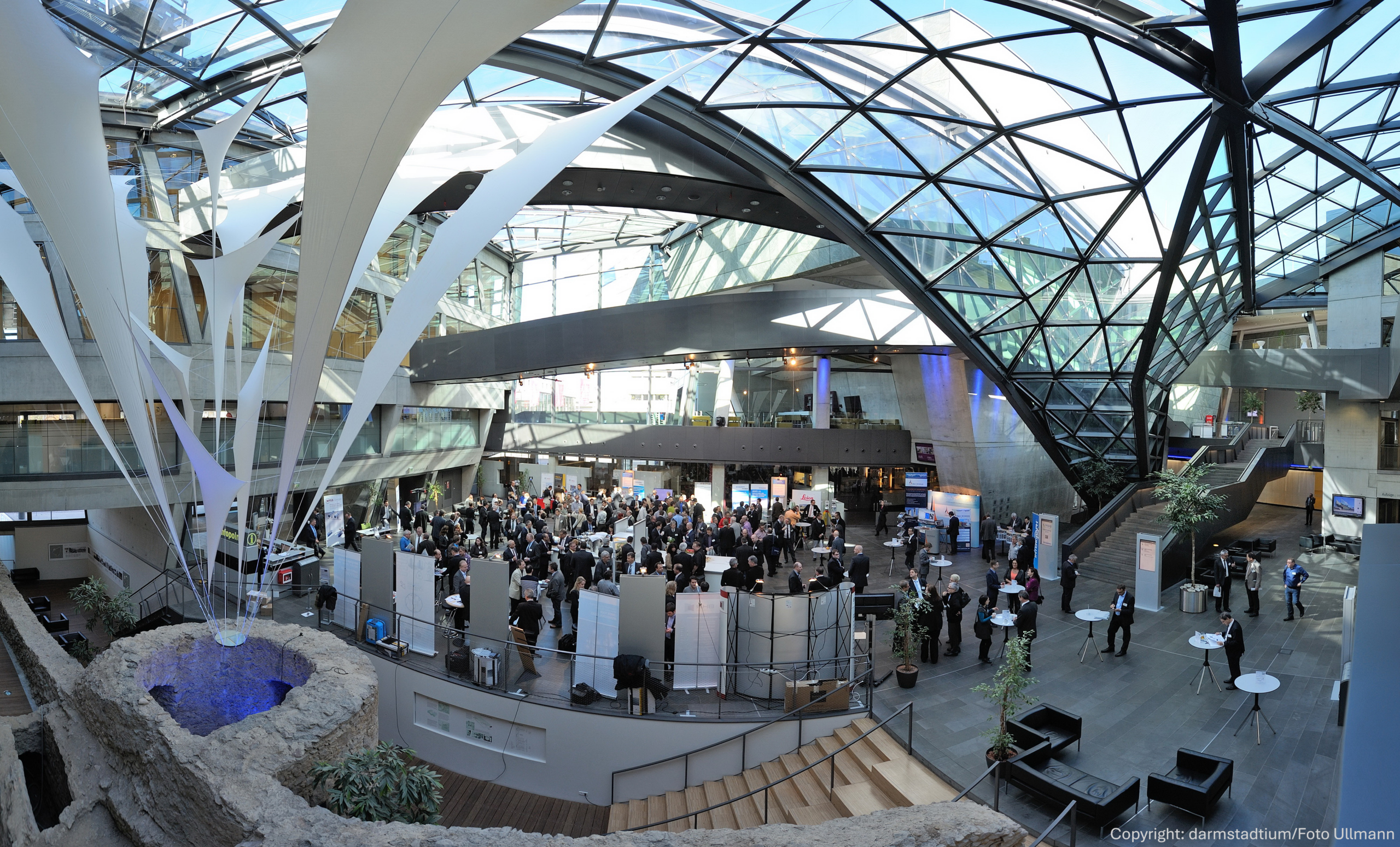
The conference venue will be darmstadtium, the modern, light-filled congress and event centre in the heart of Darmstadt. Set beside the city’s historic castle walls and a short walk from Luisenplatz and the university district, the venue offers flexible auditoriums, bright foyers for exhibitions and posters — an ideal setting for plenaries, parallel sessions, and networking with views across the old town.
Public transport connects the venue smoothly to Darmstadt Hauptbahnhof and onward to Frankfurt Airport, making arrivals and departures straightforward for international participants.
Accommodation

Accommodation
We have reserved room contingents at several hotels within easy reach of the conference venue in Darmstadt.
Important note: Contact us for discount codes and links via netzfuture@wib.tu-darmstadt.de

Welcome Hotel Darmstadt
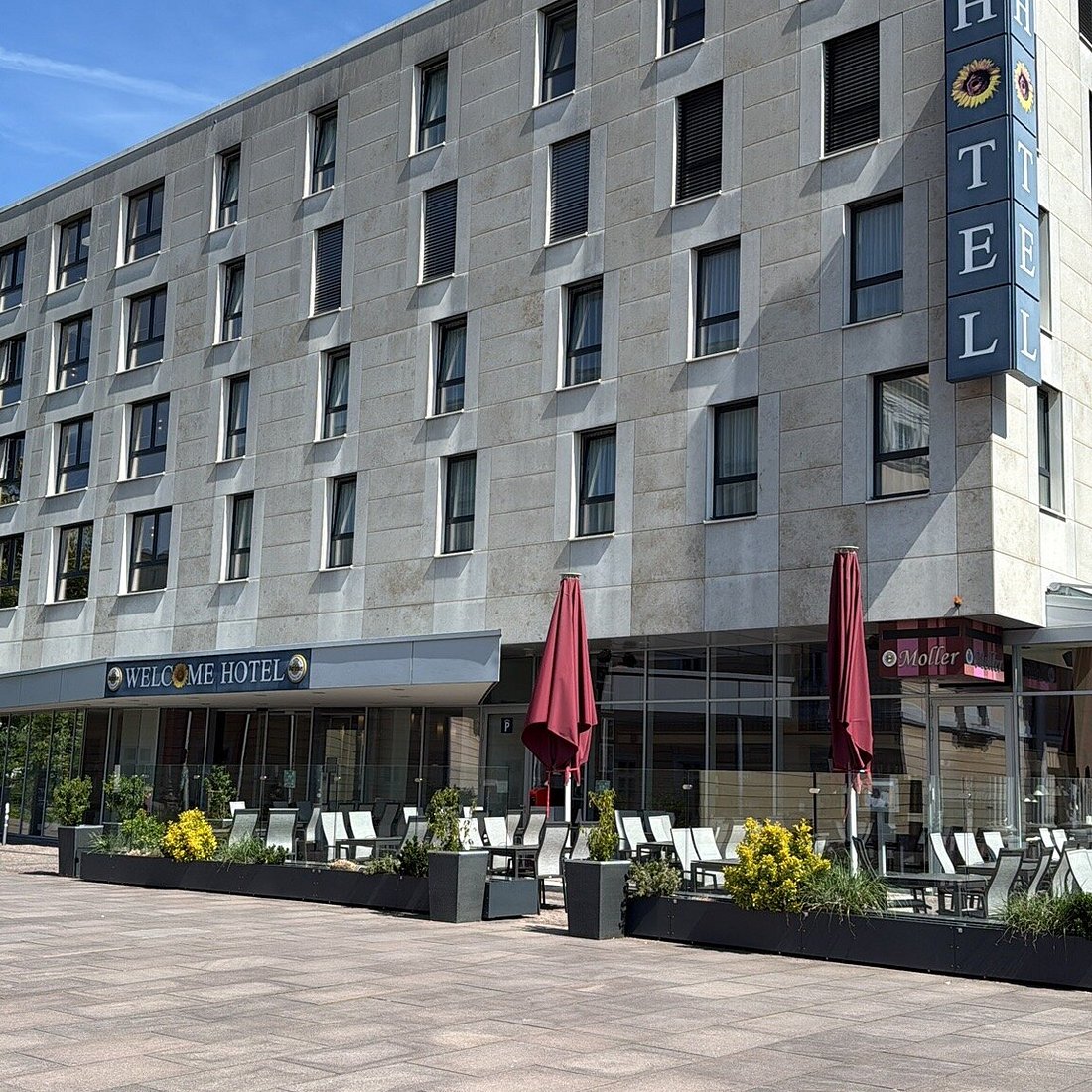
We have reserved 30 rooms at a reduced rate at Welcome Hotel Darmstadt, located about a 1-minute walk from the venue. Breakfast is included.
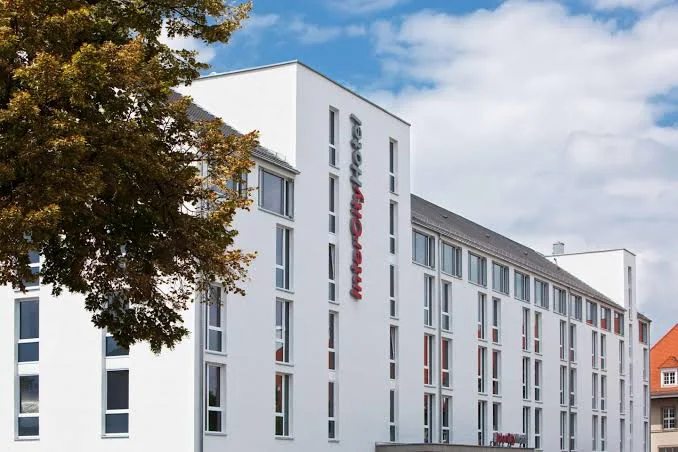
IntercityHotel Darmstadt
We have reserved 30 rooms at IntercityHotel Darmstadt, located near Darmstadt main station with easy connections to the venue.

Best Western City
We have reserved 20 rooms at Best Western City Darmstadt, located in the city center within easy walking distance to the venue.

Maritim Hotel Darmstadt
We have reserved 30 rooms at Maritim Hotel Darmstadt (with the option to increase the contingent if many rooms are booked).
Conference Activities
Conference Activities
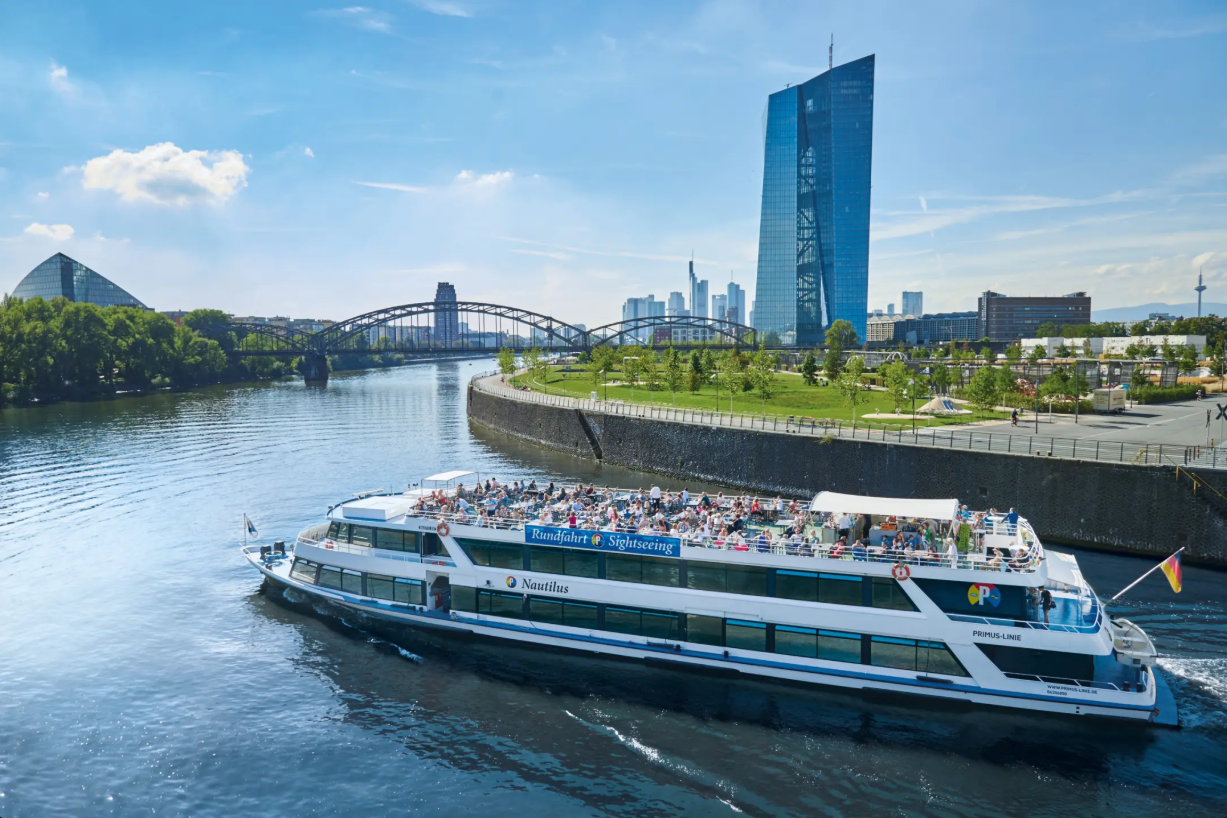
Conference Dinner – Primus-Line Frankfurt
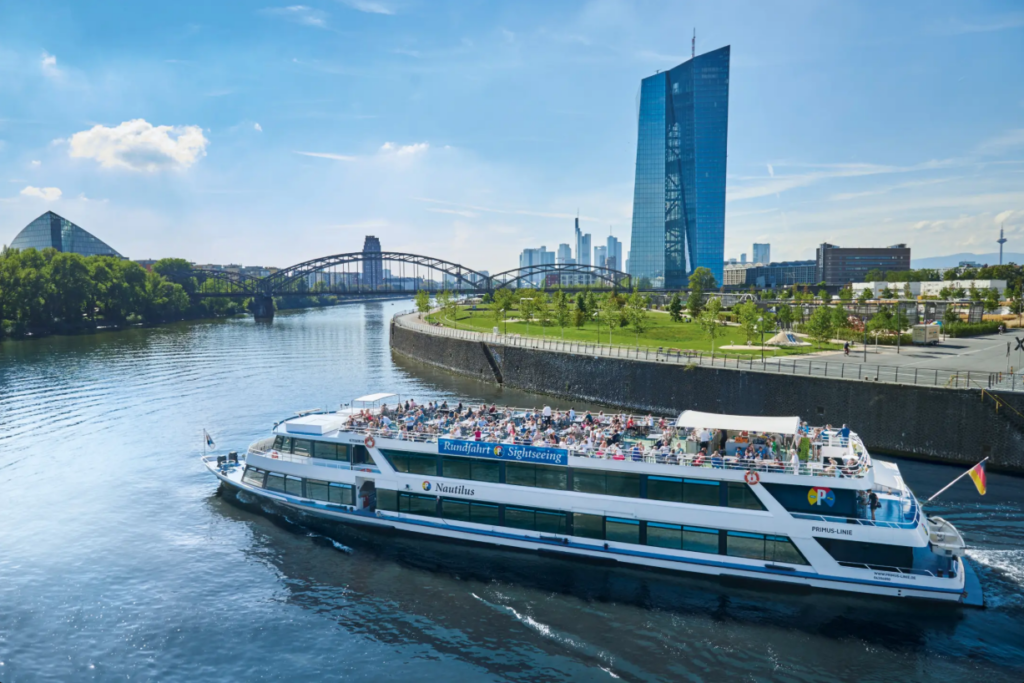
The conference dinner will take place on a boat cruise along the Main in Frankfurt, offering a unique evening with panoramic views of the city’s skyline. Transportation from Darmstadt, drinks, and traditional Hessian food are included. The standard conference ticket includes the dinner; additional tickets for family members or partners can be purchased separately via our Registration Page.
Brewery Evening – braustüb’l – Additional Ticket required
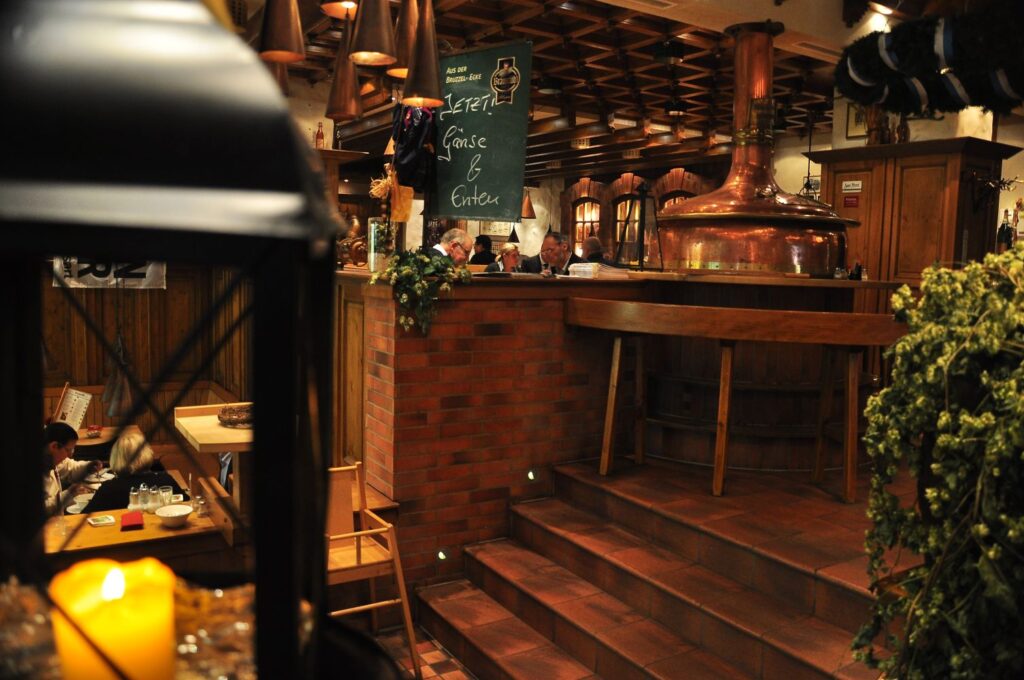
Our additional event will be a brewery evening at Braustüb’l, featuring locally brewed beers and traditional food in a cozy, authentic setting on Wednesday the 30.09.2026.
Located close to the central station, you can take several bus and tram options to get there. You can board, for example, at the tram stations Schloss or Luisenplatz and get off at Darmstadt Hauptbahnhof. For more information visit the website of public transport RMV.
Welcome Ceremony – Haus der Geschichte
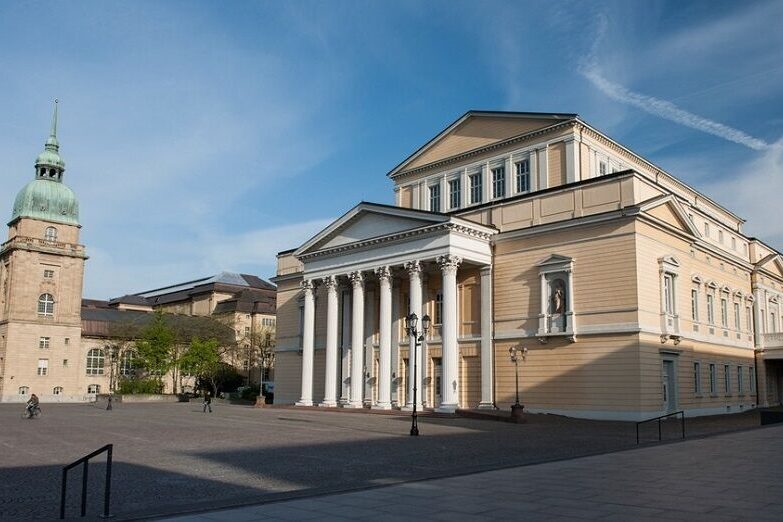
The conference welcome ceremony will take place at Haus der Geschichte (Hessisches Staatsarchiv Darmstadt), located at Karolinenplatz 3, 64289 Darmstadt. The building, a listed monument in the historic city centre between the palace and the Herrngarten park, brings together several archives and cultural institutions under one roof.
The venue is easy to reach on foot from the city centre and by public transport from Darmstadt Hauptbahnhof. Clear signposting at Haus der Geschichte will guide you to the welcome ceremony area on arrival.
Keynote Speaker

Nele De Belie
Ghent University
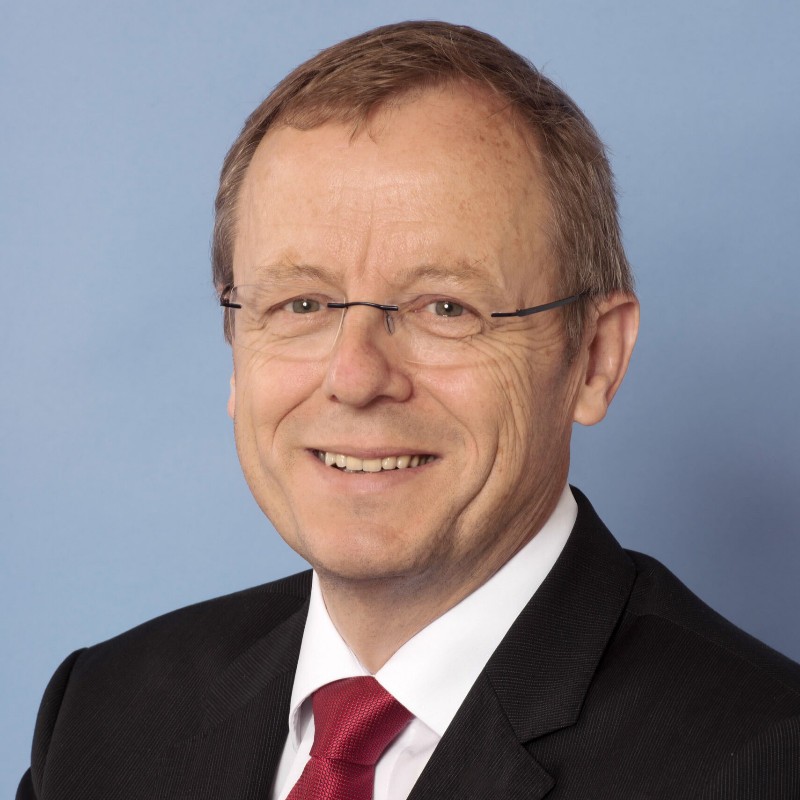
She is Professor of Durability of Cement Bound Materials at Ghent University (UGent) and Director of the Magnel-Vandepitte Laboratory for Structural Engineering and Building Materials. In addition, she leads the Concrete and Environment research group, focusing on durability, sustainability, and environmental interactions of concrete.
Her research covers sustainable and smart concrete, circular economy and life cycle assessment, concrete durability in aggressive environments, and concrete–microorganism interactions. She has coordinated more than 60 national and international projects and has published over 350 peer-reviewed papers. Since 2022, she has been a member of the Royal Flemish Academy of Belgium for Science and the Arts.

Jan Wörner
European Space Agency (ESA)
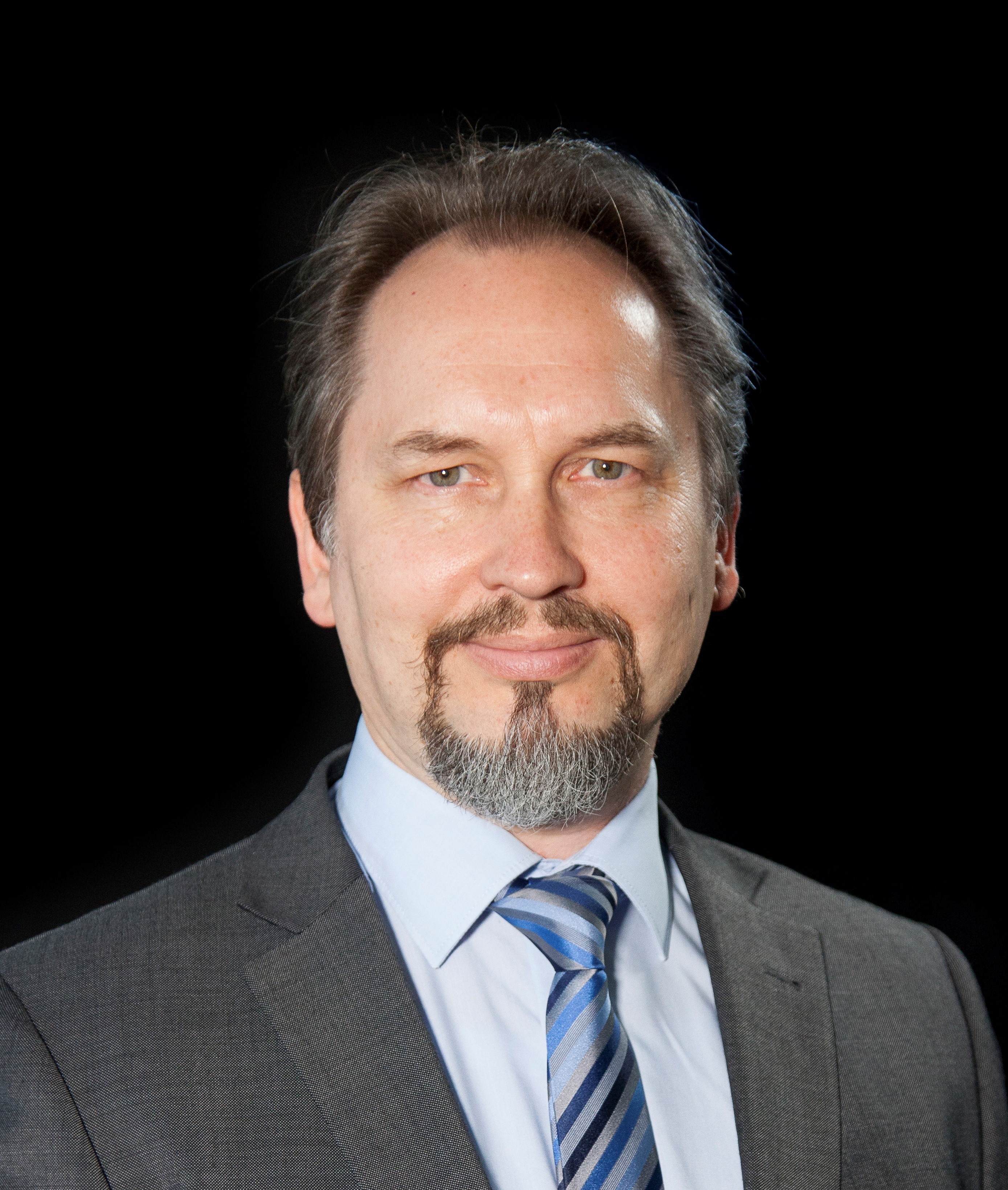
Professor Jan Wörner is a German civil engineer and university professor for structural engineering who served as Director General of the European Space Agency (ESA) from 2015 to 2021. He was President of the Technical University of Darmstadt (TU Darmstadt) from 2007 to 2014 and later Chairman of the Executive Board of the German Aerospace Center (DLR), where he played a key role in strengthening international research cooperation and interdisciplinary orientation. Prof. Wörner holds a doctorate in structural engineering and is Professor emeritus at TU Darmstadt. He is also President of acatech, the German National Academy of Science and Engineering.
Prof. Wörner is internationally recognized for his contributions to science management, higher education policy, and European space strategy. During his tenure at ESA, he strongly promoted international cooperation, innovation, and the integration of space activities with societal and industrial needs. He has served on numerous advisory boards at national and international level and is widely respected for bridging academia, large research organizations, and policy-making.

Viktor Mechtcherine
Viktor Mechtcherine has been a Professor and the Director of the Institute for Construction Materials at TUD Dresden University of Technology in Germany, since 2006. He is a member of the German National Academy of Science and Engineering and the Science Academy of Saxony.
Prof. Mechtcherine is also Editor of the Journals “Cement and Concrete Composites” and “Sustainable Cement-Based Materials” as well as Speaker of the Cluster of Excellence “CARE – Climate-neutral and resource-efficient construction” funded by the German Research Foundation (DFG). Furthermore, he is a RILEM Fellow and has been honored with the Wason Medal for Materials Research by the American Concrete Institute (ACI) and Innovation Awards from both bauma and fib.

Sophia Villmow
Her work focuses on the development of innovative low‑carbon binder systems, CCUS technologies, and collaborative research initiatives with academic and industrial partners. She holds a bachelor’s and master’s degree in applied Mineralogy from Friedrich‑Alexander-Universität Erlangen‑Nürnberg, where she graduated with her master’s degree in 2020. During her PhD at FAU, she specialized in circular economy concepts and CO₂ utilization through mineral carbonation, with a particular emphasis on carbonation hardening in emerging binder systems.

Anna Braune
From 2004 to 2007, she was a research associate at the University of Stuttgart, at the Institute of Building Physics, Department of Life Cycle Assessment. She was the initiator and, until the end of 2008, the founding managing director of the German Sustainable Building Council (DGNB).
Afterwards, she joined the sustainability consulting and software company PE International, which was renamed thinkstep in 2014. As Principal Consultant, she was responsible for the “Sustainable Building” team within the consulting division. Since September 2015, Anna Braune has been working again for the DGNB as Head of Research and Development.
Dr. Anna Braune is an experienced DGNB auditor and was for many years a member and head of the DGNB expert group on life cycle assessment. As an environmental engineer, she possesses extensive expertise in the ecological impacts of human activities.

Bassem Andrawes
A licensed Professional Engineer and Fellow of the American Society of Civil Engineers (ASCE), Prof. Andrawes received the National Science Foundation CAREER Award in 2011. He earned his Ph.D. from Georgia Tech in 2005.
With more than 28 years of experience in engineering, education, and research, his work focuses on earthquake engineering and resilient infrastructure systems. He is internationally recognized for pioneering research on the application of Shape Memory Alloys (SMAs) in civil infrastructure. He is the author of the book Shape Memory Alloys in Civil Engineering and the founder of SMA CORES, Inc., the first U.S. startup focused on developing SMA-based solutions for the construction industry.
Prof. Andrawes has contributed extensively to the field with over 175 journal papers, conference papers, books, technical reports, and patents.

David Moses
TimberFever
David is a member of CSA O86 “Engineering Design in Wood”, and the Wood Structures sub-committee of CSA S6 “Canadian Highway Bridge Design Code”, co-author of the Ontario Tall Wood Building Reference and co-author of the Ontario Wood Bridge Reference Guide. David is also founder of TimberFever® a design-build competition run by his company for engineering and architecture students across Canada and the United States.

Moritz Dörstelmann
His work focuses on digital fabrication processes, robotic construction, and circular building concepts, with a particular emphasis on resource-efficient material systems and low-emission construction methods. Through full-scale demonstrator projects, his research explores how computational design and advanced manufacturing technologies can contribute to a more sustainable and circular built environment.
In addition to his academic role, he is the founding partner of FibR GmbH, a company specializing in robotic fabrication and fiber composite lightweight structures for architectural applications. His work bridges research and industrial practice, demonstrating how digital design and fabrication strategies can enable innovative architectural solutions while reducing the climate impact of construction.
Panel Discussion Members
Towards Net-Zero Construction: Challenges and Innovations
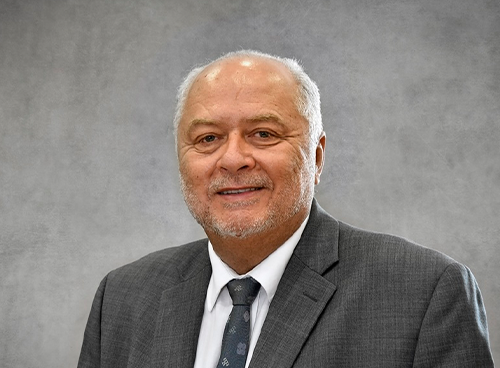
Romildo Dias Toledo Filho
Rio de Janeiro, Brazil
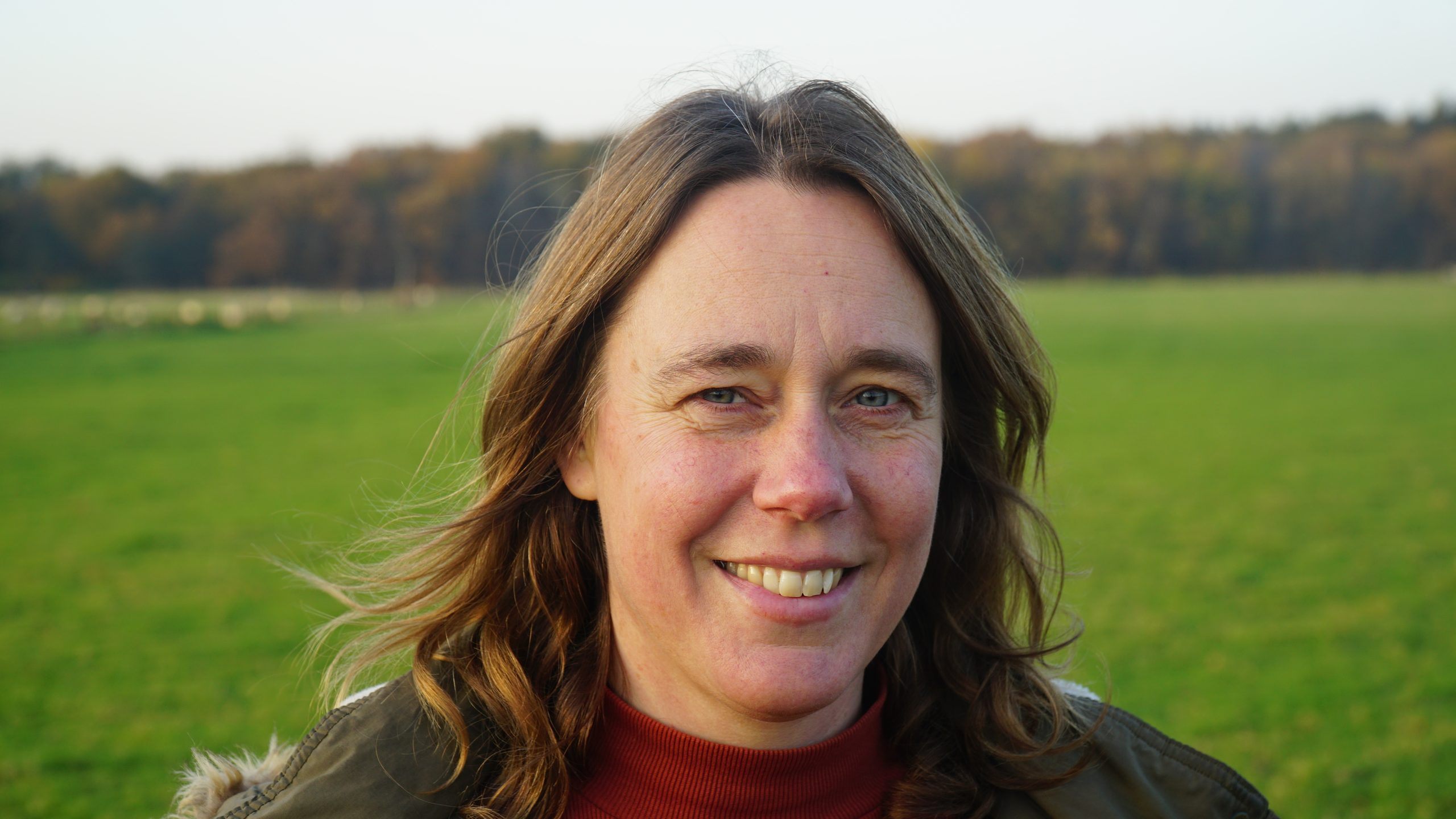
His research focuses on sustainable and bio-based construction materials, CO₂-capturing cements, industrial by-product valorization, natural-fiber composites, and technologies supporting the transition to a low-carbon and circular economy.
He has coordinated more than 70 national and international research and innovation projects and authored over 350 peer-reviewed publications. He is a Full Member of the Brazilian Academy of Sciences (ABC), the National Academy of Engineering (ANE), and The World Academy of Sciences (TWAS).
With more than three decades of experience, he works at the intersection of science, innovation, industry, and public policy, leading initiatives that connect research excellence to technological innovation, entrepreneurship, and sustainable industrial development in Brazil and internationally.

Annemarij Kooistra
Amsterdam, Netherlands
In the city of Amsterdam she was as a program director responsible for the assessment of the civil structures, and the research program to develop futureproof solutions for Amsterdam bridges and canal walls. Innovations on monitoring and sensoring, assessment strategies, value based decision making and synergy between renovation and future proof public space were tested and implemented. And within the city deal network now shared and further developed.
Scaling innovations and implementation of newly developed standards do not only ask for technical solutions. Real transition towards a net zero future ask for social innovations and new ecosystems. Leaving old ways that served us well in past decades is hard and should not be underestimated. Embracing the new can make us feel insecure. Creating a safe environment for leaving the old and facing the insecure and unknown future is part of building the alliances within the city deal.

David Moses
Toronto, Canada
David is a member of CSA O86 “Engineering Design in Wood”, and the Wood Structures sub-committee of CSA S6 “Canadian Highway Bridge Design Code”, co-author of the Ontario Tall Wood Building Reference and co-author of the Ontario Wood Bridge Reference Guide. David is also founder of TimberFever® a design-build competition run by his company for engineering and architecture students across Canada and the United States.

Michael Haist
Stuttgart, Germany
His research focuses on sustainable and resource-efficient concrete construction, low-carbon cementitious materials, durability and performance of concrete structures, as well as the digitalisation and automation of concrete production and quality control. In recent years, he has been particularly involved in advancing concepts such as “Concrete 4.0”, combining artificial intelligence, computer vision, and data-driven approaches with concrete technology.
Prof. Haist has coordinated and contributed to numerous national and international research projects and has published extensively on topics including climate-friendly concrete, fresh concrete rheology, durability, digital quality assurance, and circular construction materials, thereby contributing significantly to the transformation towards more sustainable concrete construction.

Hans Beushausen
Vice President of RILEM
Cape Town, South Africa
His research focuses on the durability of reinforced concrete, corrosion of steel reinforcement, repair and rehabilitation of concrete structures, sustainable cementitious materials, and the performance of concrete under aggressive environmental conditions. He has led numerous national and international research projects, particularly addressing the challenges of durable and resilient infrastructure in diverse climatic environments.
Prof. Beushausen has authored more than 250 scientific publications and is an active member of several international technical committees. Through his research, teaching, and leadership within RILEM, he continues to promote innovation and sustainability in concrete technology and structural durability.